
Work, Considered.
Daniel LeBlanc
Nobody Tours the Foundation.
Everyone sees the paint, the porch, and the values on the wall. Almost nobody sees what's holding the house up. A few honest words about culture, the people who build it, and the work that never makes the newsletter.
- Culture
- Trust
- HR Strategy
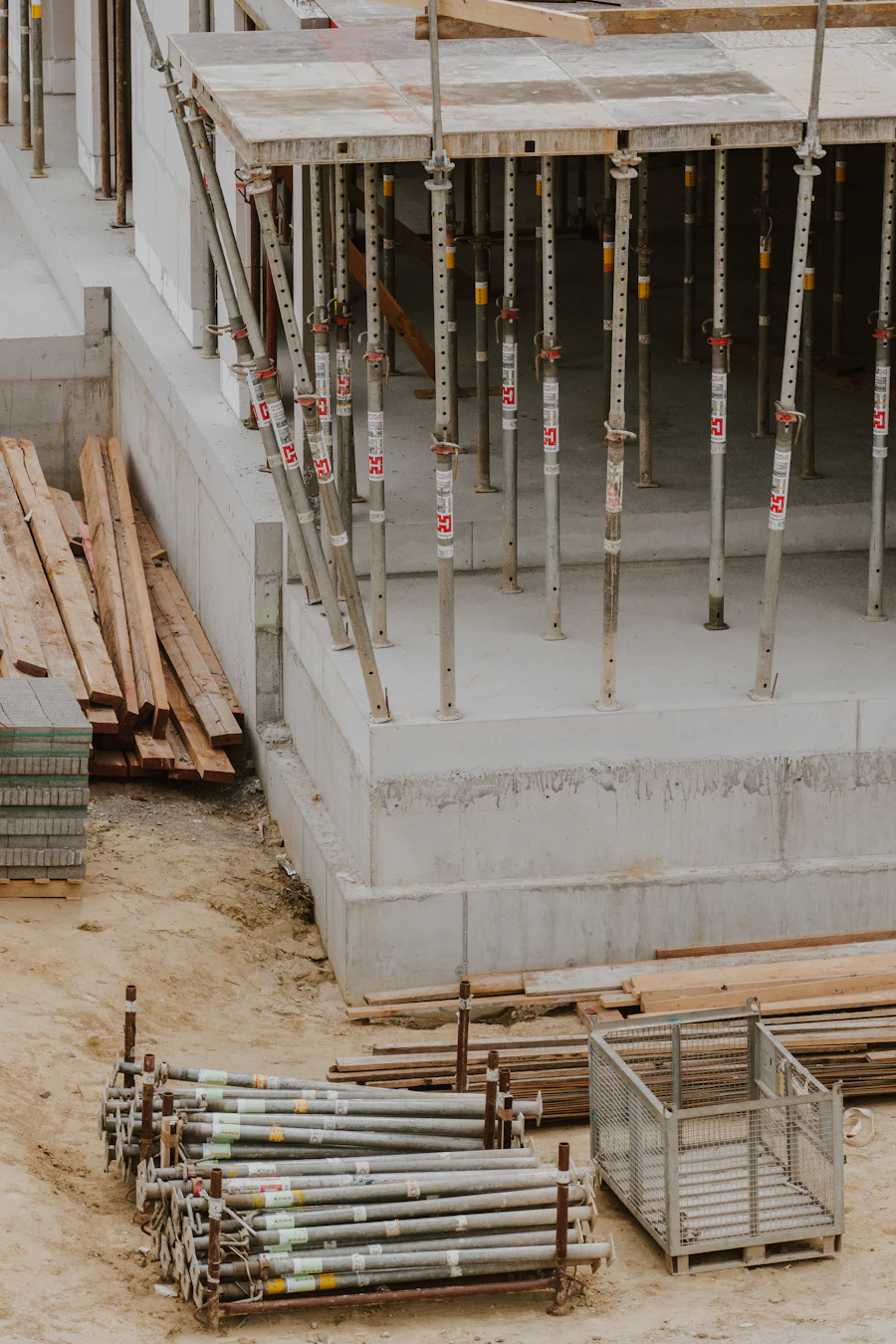
Have you ever been to an open house? Everybody does the same tour. You walk in, you say “oh, nice” about the kitchen, you open one closet you have no intention of using, and you stand in the backyard pretending you’d garden. Nobody, and I mean nobody, asks to see the foundation.
Until there’s a crack in it. Then it’s the only thing anyone wants to talk about.
I’ve been thinking about that a lot lately, because I think it’s the most honest description of workplace culture I know. And of the people who quietly hold it up.
What people see from the curb
When people think about culture, they usually think about what they can see. The values painted on the wall. The welcome package with the good water bottle. The holiday party. The all-staff email with three exclamation marks. The pizza.
And when people think about HR, it’s usually the same short list. HR is the values poster. HR is the onboarding binder. HR is the person who books the party, sends the policy reminder, and says “no” when you want to do something creative with a termination. (Please don’t do something creative with a termination.)
None of that is wrong. Curb appeal matters. People decide whether they want to walk in the front door based on it. But if you’ve ever bought a house, you know the paint is the least important thing about it.
Edgar Schein, the MIT professor who spent most of his career studying organizational culture, described it in three levels: the things you can see, the values an organization says it holds, and underneath both, the shared assumptions nobody says out loud but everybody acts on. That bottom layer is the one that actually runs the place. It’s also the one nobody gives tours of.
The cutaway
So let’s do what open houses never do. Let’s cut the house in half and look at all of it. Here’s what culture work, and especially HR work, looks like from the curb all the way down.
The values on the wall. The welcome swag. The holiday party. The careers page with the stock photo of people laughing at a laptop.
Who noticesEveryone. It's on the website.
Hiring. Onboarding. Pay landing on time. A schedule that somehow works. The day-to-day rooms where people actually live.
Who noticesPeople. The one time it doesn't work.
The hard conversation held early, so it never becomes a complaint. Coaching a new manager through the first tough call of their career. Getting two people who can't stand each other through a busy season without anyone losing an eyebrow.
Who noticesNobody. That's the whole point.
Investigations. Medical accommodations. The employee going through something at home who needs the schedule to bend for a while. The things you know, and carry, and will never repeat.
Who noticesYou can't tell them. Ever.
The thing every big move sits on. The restructure. The new manager. The pay change. The growth year. The bad year. If it's solid, the house settles. If it isn't, everything above it cracks.
Who noticesEveryone, the day it cracks.
The part you can see is real. It's just not the part holding anything up.
Culture isn't what you hang on the wall. It's what's holding the wall up.
Something I'd paint on the wall, if that wasn't the whole point.
The best work I ever did, I can’t tell you about
I spent many years in HR, including leading HR nationally for a charity with stores and teams across the country. If you asked people back then what I did, most of them would have pointed at Level 1 and 2. The policies. The hiring. The training days. The person who showed up when something went sideways.
And that’s fair. That’s the part I was allowed to show.
But anyone who has done this work for long knows the real job happens below grade. It’s the conversation you have so that someone can keep their dignity on the worst day of their working life. It’s knowing a hard thing about someone’s health or their family and making sure the workplace bends around it without anybody ever finding out why. It’s sitting across from a manager who is about to make a very expensive mistake and helping them find a better way, and then letting them take the credit for it. Happily.
Here’s the strange part: when HR does those things well, it looks exactly like nothing happened. No complaint. No lawsuit. No resignation letter. No drama in the lunchroom. Just a regular Tuesday.
In HR, the best day of your year often looks exactly like nothing happened. That's not luck. That's somebody in the basement.
The quietest seat in the building
I want to say something that people in HR, and honestly a lot of managers and office managers and long-time supervisors, rarely say out loud: this work can feel very alone.
You’re in the room for everyone else’s hardest moments. You hold the confidences. You can’t vent about it at dinner. Somebody asks “how was your day?” and the most honest answer is “I can’t say.” You can’t defend yourself when someone grumbles that HR “never does anything,” because the things you did are exactly the things you promised never to talk about.
What gets seen
- The policy email
- The party that ran out of meatballs
- "HR said no"
- The values poster
- The one decision people didn't like
What gets carried
- The complaint that was resolved before it was filed
- The accommodation nobody knows about
- The manager who was coached, not fired
- The exit handled with so much care the person still says hi at the grocery store
- The reasons behind that decision people didn't like
If you’re an owner, this is worth knowing. The person holding up your foundation probably isn’t going to tell you how heavy it is. Not because they’re shy. Because they can’t.
The silent wins
And yet. If you asked me whether I’d do it all again, the answer is yes, without thinking about it. Because underneath all that weight are the wins nobody claps for, and they are the best ones there are.
The part-timer you hired years ago is now running the place.You were in the back row. Best seat in the house.
Grievances filed after a change that could have gone very badly.A zero has never been so beautiful.
Good person who was about to quit, and didn't, because someone finally asked what was going on.Nobody else ever found out how close it was.
The manager who used to react now asks a question first.Took eighteen months. Worth every one.
A team that tells you the bad news early, because they know what you'll do with it.This is what trust looks like from the inside.
The scoreboard nobody looks at, keeping the only score that matters.
That’s the part of this work I wish more people could see. Helping someone reach a goal they didn’t think was theirs to have. Watching a team get healthier one small, unglamorous adjustment at a time. Seeing a business grow because the people inside it actually trust each other. You don’t get a trophy for any of it. You get to watch it work.
Trust is the foundation of every big move
Here’s the leadership belief I hold more firmly than almost any other: every big move a business makes sits on trust. Every one.
When you restructure, change the pay plan, bring in a new manager, open a second location, or tell people the year is going to be tough, the house shifts. That’s what houses do. The question is never whether it shifts. It’s what’s underneath when it does.
If the foundation is trust, people give you the benefit of the doubt. They ask questions instead of assuming. They stay long enough to see whether you meant it. If the foundation is a nice values poster and good intentions, the cracks show up fast, and they show up in places that are very expensive to fix.
You can't pour a foundation the day you need it. It has to be there before the big move, not because of it.
That’s why culture work never really ends. Houses settle. So do teams. A new hire changes the room. A busy season wears on people. A small hurt goes unaddressed and becomes a draft you feel in every meeting. Good culture isn’t a renovation you do once and post about. It’s maintenance. It’s constantly, gently adjusting things so the whole place stays healthy enough to grow. Most of it, you’ll never see. That’s how you know it’s working.
To everyone who builds culture from below grade, in HR or out of it, with a title or without one: I see you. The house is standing because of you, and the people living in it may never know your name. That’s not a small thing. It might be the biggest thing there is.
P.S. If nobody noticed, you probably did it right.
Who holds up the foundation where you work? Tell me about them. If you’re not sure what’s under your own floorboards, think of a Work, Advised HR Health Check as a home inspection for your workplace: we look past the paint and tell you plainly what’s solid, what’s leaking, and what to fix first. Let’s talk. And if this one made you think, subscribe below so the next one finds you.
Original writing for Work, Considered., the Work, Advised. blog. Photo from Unsplash, credited above. Personal stories draw on Daniel's own experiences; no confidential workplace examples are used.
Get new essays by email
A short note whenever a new Work, Considered. essay is published. Nothing else, and you can unsubscribe in one click.
Opens Buttondown, our email provider, in a new tab. You'll get an email to confirm. Privacy